

Residential Parks in Budapest: What Makes a Residential Complex Home "Value-Retaining" in the Long Term?
When it comes to new-build apartments and residential complexes, we often hear that they represent a "value-preserving investment." But what does value retention actually mean? A favorable location or a modern facade alone cannot guarantee that a property will remain sought-after and attractive years or even decades down the road. Long-term value preservation is the coordinated result of numerous factors: ranging from design and technical specifications to environmental quality and property management standards.
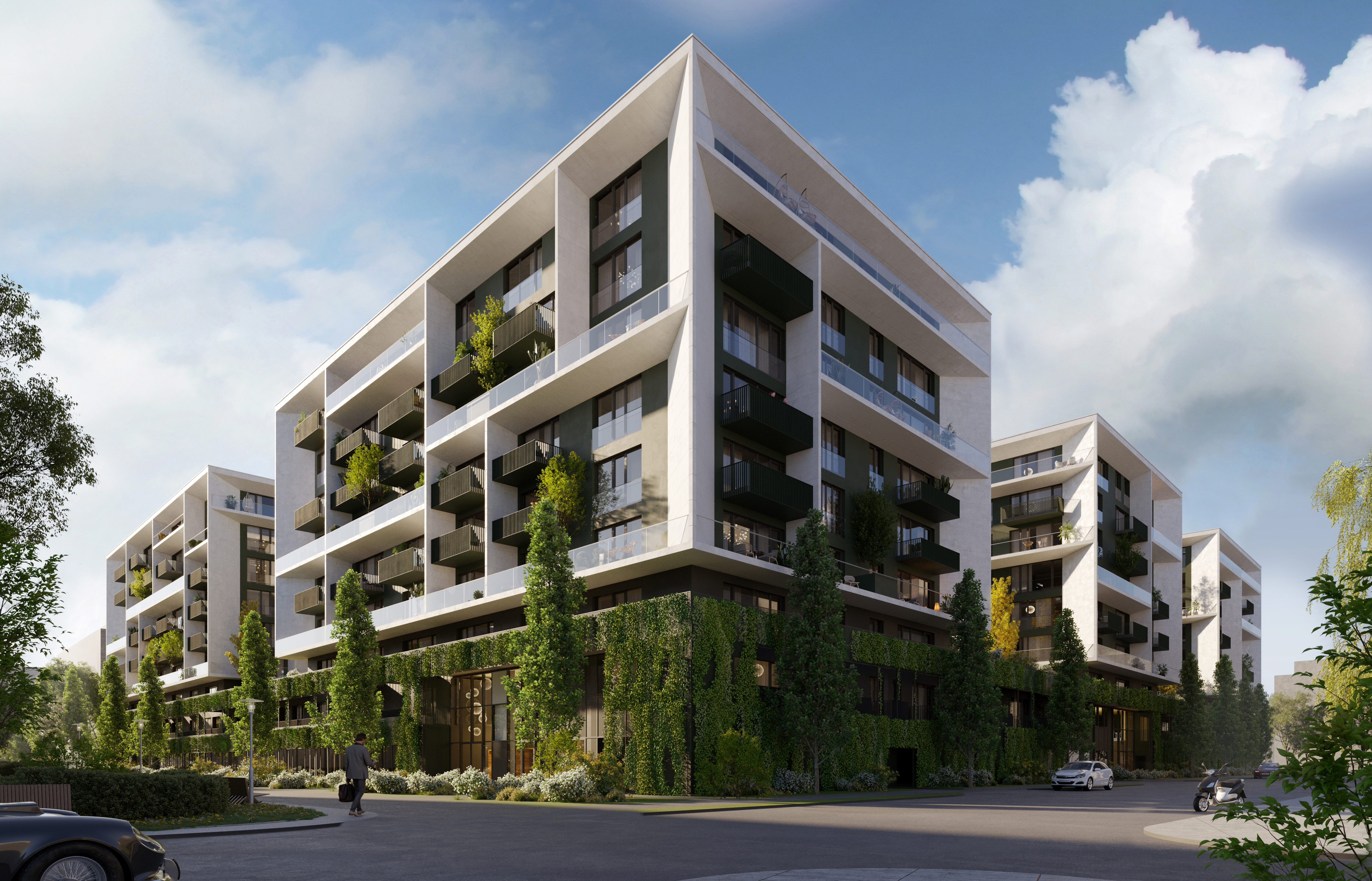
Why Is a New Property Attractive?
Budapest's real estate market is remarkably diverse, offering a wide range of properties across various ages and conditions. However, one of the most significant trends in recent years has been the rise of newly built residential complexes, driven by ongoing urban developments and modern housing needs alike. This trend is largely thanks to active developments, among which Metrodom residential parks play an integral part in reshaping the city’s skyline. Unsurprisingly, buyer demand for these new properties remains high.
These new-build apartments and entire residential parks are designed and constructed specifically to meet modern standards. This is not only due to thoughtful spatial planning, high technical specifications, and modern green technology, but also because they offer true homes with an exceptionally high quality of life—where community plays a central role. Based on these aspects alone, one might easily label these residential properties value-retaining, but let us look closer at several factors that may not seem obvious at first glance.
Why Is a Good Location Not Enough?
Location has traditionally been one of the most important criteria when choosing real estate, but today it no longer serves as a sole guarantee for long-term value retention. Within Budapest's constantly evolving urban structure, the reputation of a district or neighborhood can shift significantly in just a few years. New transit investments, office developments, or commercial centers can emerge, while infrastructure overload can also impact an area's appeal.
Therefore, a truly value-retaining residential complex is not just situated in a currently popular spot; it integrates into a part of the city that will remain livable over the long haul.
This could even be an up-and-coming neighborhood where future infrastructure projects consistently add value to the property's standing. From a practical standpoint, key considerations include how quickly and comfortably daily services can be reached, as well as how balanced the neighborhood's functional makeup is. Transport connections also carry immense weight—and not strictly automobile access. Excellent public transit, cycling infrastructure, and pedestrian-friendly surroundings all ensure a residential complex remains in high demand for years to come.
What Does It Mean When a Residential Park Is "Well-Designed"?
Many people treat design strictly as a technical or professional matter, even though lay homebuyers browsing the market may not find purely technical arguments to be the main attraction. The concept of good design extends far beyond aesthetic appeal. While modern architectural touches and striking common areas play a crucial role in forming a positive first impression, long-term satisfaction is primarily driven by functionality.
In a value-retaining residential park, apartments are not only aesthetically pleasing but also highly practical. Proper orientation, the ratio of natural sunlight, effective ventilation, and logically structured spatial layouts are all factors that create a noticeable difference compared to other properties years down the line. Apartments that offer a practical, well-thought-out structure—livable layouts, ample storage options, and usable outdoor balcony or terrace spaces—tend to preserve their value far better.
The same applies to shared areas: community spaces, corridor systems, the number of elevators, and comfortable transit pathways can prove to be major advantages or frustrating drawbacks in daily life.
What Is the Role of Community Spaces and Amenities?
A frequently highlighted concept in connection with Metrodom residential parks is community—an essential part of the overall philosophy, as true homes can only emerge when residents form a genuine community. That is why modern residential parks offer far more than mere housing. Community features and amenities play an increasingly important role in resident satisfaction and determine how appealing a project remains in the long run. However, not every extra feature brings real value, so focusing on practical, everyday utility is key to making a wise choice.
In value-retaining residential parks, the amenities that succeed best are those that make daily life more convenient while fostering social connections. Examples include lush inner courtyard gardens, community lounges, co-working spaces, parcel locker solutions, and family-friendly amenities.
By contrast, excessive marketing-driven gimmicks can quickly lose their charm. Rarely used, redundant spaces or high-maintenance amenities can over time become an unnecessary financial burden for residents in the form of higher maintenance fees.
Why Is a Green Environment Decisive?
The presence of green spaces is one of the most critical factors in urban quality of life, especially in the immediate surroundings of residential complexes and apartment buildings.
Parks, inner gardens, and landscaped walkways are no longer mere visual enhancements; they directly influence property values. A growing body of research and market experience confirms that proximity to nature directly impacts overall living standards and real estate pricing.
In a value-retaining residential complex, a few decorative plants or minimal landscaping are not enough. True quality comes from green spaces that are usable, well-maintained, and provided in balanced proportion. For instance, Metrodom River's direct waterfront location, Metrodom Beat's proximity to the Danube banks, or Metrodom Green's effective integration of green solutions in an urban setting represent environmental factors that retain or even increase property value over time.
How Does Development Phasing Affect Value?
Residential parks are the result of modern multi-phase developments. In many cases, construction continues even after initial phases have been completed and apartments handed over to buyers. Despite this, many buyers focus strictly on apartment dimensions, overlooking how much the overall development concept influences long-term value.
In multi-phase projects, the primary key to financial return and value stability lies in the architectural and functional cohesion across all phases. If later stages diverge significantly from initial plans in terms of quality, aesthetics, or intended use, it disrupts project unity and can negatively impact the value of previously delivered units.
Additionally, a developer's commitment to long-term property management is paramount. A carefully designed operating model, proper maintenance, and transparent common fee structures ensure that the building maintains its premium feel years after completion.
Which Compromises Could Cause Problems Later On?
Home purchases inevitably involve trade-offs. While some compromises are completely manageable and cause no issues down the road, settling on certain key points can directly jeopardize long-term value retention.
Examples include a total lack of community space or an undersized parking garage system. These shortcomings become painfully evident during daily use and can erode a complex's appeal over time.
Another common mistake is underestimating the future evolution of the surrounding environment. While a rapidly developing neighborhood is exciting, it is crucial to consider what additional construction may occur nearby. A newly routed main road, aggressive office development, or overbuilding can significantly alter the character of the neighborhood later on.
Summary
Long-term value retention in a residential park home is a far more complex topic than simply whether a property is brand-new or well-located. Thoughtful design, livable community spaces, well-apportioned green areas, effective property management, and durable technical solutions collectively create the standard of quality that keeps a project desirable for years to come. Truly value-retaining residential parks do not merely chase short-lived trends; they create living environments capable of adapting to resident needs over the long haul.
FAQ
What makes an apartment in a residential park value-retaining?
A combination of thoughtful design, a strategic location, high-quality construction, effective property management, and a livable environment ensures that an apartment remains in high demand over the long term.
Why are community spaces important in a residential complex?
Well-designed community spaces enhance quality of life, encourage a strong sense of neighborhood community, and increase the project's long-term appeal.
Does energy efficiency impact value retention?
Yes. Energy-efficient solutions result in lower utility and operating costs as well as modern building operations, positively influencing future market resale value.
What should you look for in a multi-phase residential development?
It is essential that all phases maintain consistent quality and that future construction stages do not compromise current residents' comfort or the overall livability of the environment.