

Choosing a Residential Park Without Children: Storage, Parking, Noise, and Private Space – What Really Matters?
A significant portion of advertisements for newly built residential developments primarily highlight family-friendly features, even though these properties are naturally not only viewed by families. For buyers without children, the real priorities are often quite different from those of households planning to move in with kids. In this article, we take a closer look at the practical factors worth considering when making such a decision.
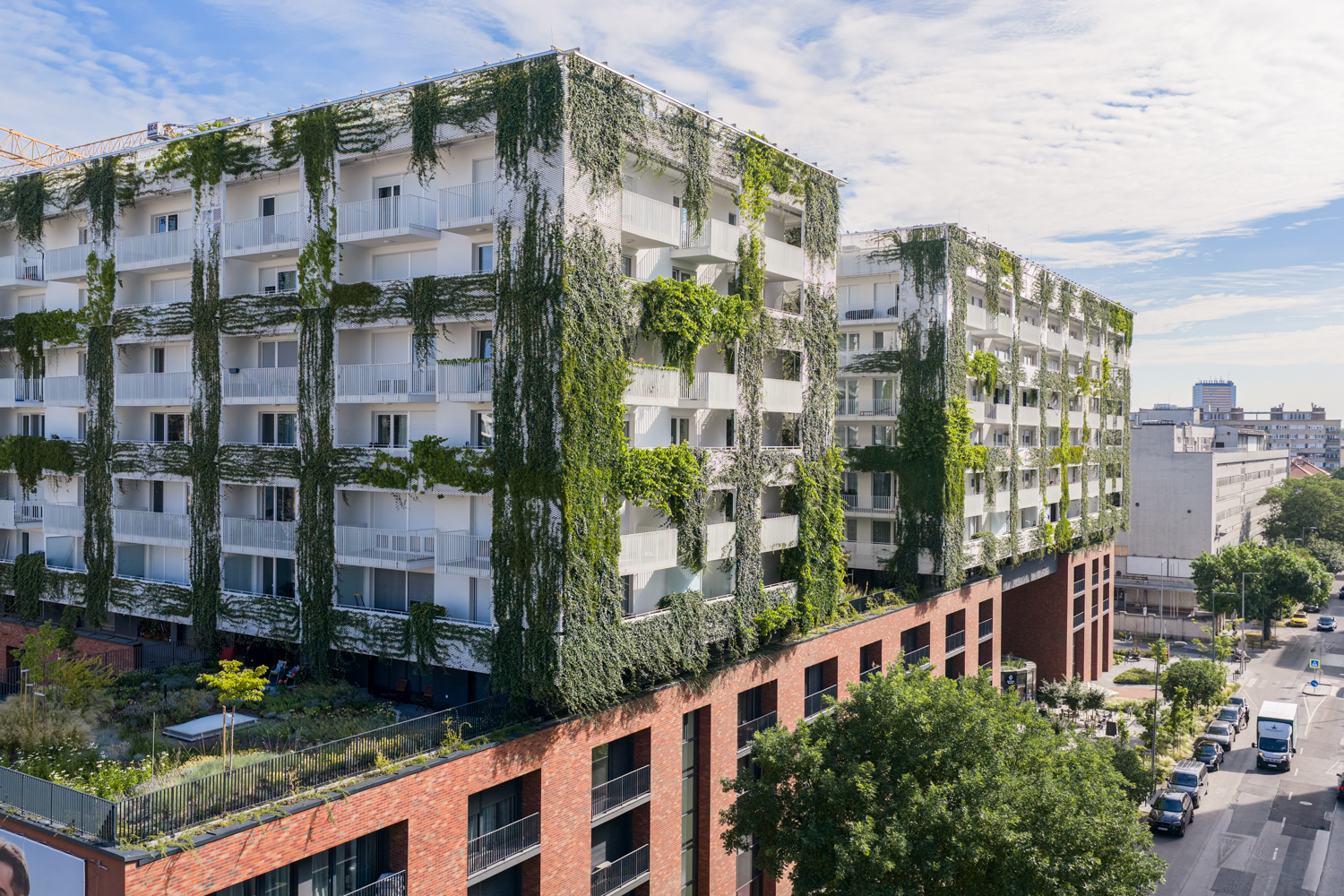
What Are the Differences Between Prospective Buyers?
From a developer’s perspective, different types of buyers can be clearly distinguished. The easiest way to do this is by identifying which criteria a particular age group, life stage, or demographic tends to prioritize during the property search process. Metrodom residential developments are designed for everyone, whether they are families or individual buyers, but we are also aware that their needs differ.
While families often focus on community spaces suitable for children, nearby kindergartens, and safe playgrounds, other buyers tend to base their decisions on technical specifications, available services, parking and storage options, and many other practical, highly technical features. This time, we move beyond the usual clichés of green surroundings and daily routines to highlight the details that truly determine quality of life when your apartment is not intended as a family nest, but rather as a private personal space.
Is a Storage Unit Enough, or Is the Apartment Itself the Key?
One common mistake buyers make is automatically checking storage space off their list as soon as they see that a development offers storage units. However, for adults with active lifestyles, a single small storage room in the basement—or anywhere else—is often far from sufficient. An active lifestyle usually involves equipment that may not be relevant to families with children, such as bicycles, fitness gear, musical instruments, and much more.
In a well-designed residential development, the hierarchy of storage solutions determines everyday convenience. It makes a significant difference whether your storage unit is located on the same floor as your apartment or whether you need to take the elevator three floors down every time you need something.
In Metrodom’s concept, for example, the sizing and placement of internal storage spaces are strategic considerations. In child-free households, an additional half-room often serves not as a children's bedroom but as a hobby room or walk-in closet. Therefore, when reviewing a floor plan, it is worth considering whether there is any flexible, usable space or whether every square meter can effectively accommodate built-in storage solutions. True luxury is often not visible on the surface—it lies in practical and intelligent design choices like these.
Is a Parking Space Just a Convenience or the Foundation of Mobility?
In a major city, parking is a strategic issue. Consequently, residential developments prioritize the creation of adequate surface parking and underground garage capacity during the planning phase.
For families with children, the most basic expectation is usually that the parking space be close to the entrance. For single adults, however, parking is often evaluated from a much more technology-oriented perspective. In fact, the parking facility can become one of the most important technical infrastructures within the development.
As a result, expectations may arise that other buyers might not even consider. In the era of electric vehicles, for example, important questions include whether charging stations are available and whether the electrical network can support multiple vehicles charging simultaneously. The parking facility’s technological features may also matter, such as surveillance cameras, license plate recognition systems, and other smart solutions.
For modern buyers, purchasing a parking space increasingly comes with these seemingly obvious expectations. During Metrodom developments, such requirements are treated as standard features, ensuring that parking infrastructure remains capable of meeting future technological demands.
What Misconceptions Can an Inner Courtyard Create?
Many property advertisements emphasize quiet apartments overlooking an inner courtyard. In reality, however, things do not always work that way.
Due to their acoustic characteristics, enclosed or semi-enclosed courtyards often function like amphitheaters, amplifying sounds—even everyday noises such as conversations or people walking through the area. Moreover, if these spaces include playgrounds or communal gathering areas, they can easily interfere with both remote work and relaxation.
Therefore, when evaluating any residential development, it is worth examining the amount of actual green space and how individual apartments are positioned relative to potentially noisy areas.
At Metrodom developments, special attention is given to green solutions and community spaces that serve residents’ needs. However, these communal features should not intrude upon private living spaces to the extent that everyday life becomes excessively noisy. Maintaining a balance between community life and personal privacy is a key priority during Metrodom’s development process.
Landscape architecture receives particular attention to ensure that internal spaces become genuine relaxation zones rather than noise traps. Green solutions are not merely decorative elements; they form the technological foundation of a high-quality, peaceful living environment.
How Can a Balance Be Achieved Between Community and Privacy?
One of the key priorities during the design and construction of Metrodom residential developments has been fostering a sense of community. This is supported through various communal spaces, facilities, and the overall layout and environment of the developments.
A strong community is undoubtedly important, as it helps transform an apartment into a true home. However, maintaining a healthy balance with personal privacy is equally essential, ensuring that neither comes at the expense of the other.
Creating a peaceful living environment requires a comprehensive architectural approach that goes far beyond wall thickness alone. It is not just about the wall separating you from your neighbor; corridor layouts, door placement, and proximity to elevators all influence whether you feel at home or as though you are living in a bustling hive.
At the same time, the balcony serves as the strongest bastion of personal privacy. During the design of Metrodom developments, a fundamental principle is ensuring that terraces do not directly overlook one another. By providing sufficient depth, these spaces become more than functional outdoor areas—they become genuine private outdoor living rooms where residents can enjoy their leisure time undisturbed and shielded from outside views.
Which Services Make Everyday Life Easier?
Today, the value of a residential property is determined not only by its square footage but also by the range of services associated with it.
For families with children, nearby playgrounds, daycare centers, kindergartens, and schools may be decisive factors. However, those moving without children are often looking for entirely different services that genuinely simplify everyday life.
One example is smart home technology, which can provide an exceptionally comfortable living environment for modern adults. Beyond that, communal facilities and amenities such as gyms, wellness areas, event spaces, rooftop terraces for social gatherings, parcel lockers, electric scooter parking, and many others may also play an important role.
These are the features and services that elevate a residential development into a modern service hub in the eyes of buyers. Metrodom developments place particular emphasis on both the availability and quality of such amenities, guided by the concept of creating a “city within a city.”
Low Utility Costs or Sustainability – What's the Difference?
Today, conscious property selection is inseparable from minimizing environmental impact and ensuring long-term technological viability.
The question is no longer simply whether a residential development meets today’s needs, but also whether its mechanical and engineering systems will remain competitive in the decades ahead. Heat pump-based heating and cooling systems, along with solar panels, not only reduce utility bills but also significantly improve comfort.
When comparing residential developments and apartments, do not focus solely on the purchase price. Pay close attention to the technical specifications as well. A cheaper apartment equipped with outdated systems may ultimately cost far more in the long run—not only financially but also in terms of stress.
At Metrodom, sustainability is not merely a marketing message but a fundamental component of the design strategy. Metrodom’s highest energy-rated homes ensure that the value of your property remains stable regardless of fluctuations in the energy market.
Summary
Choosing the ideal residential development without children is not about compromise—it is about shifting priorities.
While families may prioritize nearby playgrounds and safe courtyards, independent adults with active lifestyles tend to focus on technological sophistication, acoustic comfort, logistical convenience, and the protection of personal privacy.
Do not hesitate to ask difficult questions during your property search. Doing so is the most effective way to find the residential property that truly matches your needs.
FAQ
What size storage unit is recommended for a two-person household?
A storage space of at least 3–5 square meters is generally recommended. This should be sufficient for sports equipment, suitcases, and infrequently used kitchen appliances. If possible, choose a storage unit located on the same floor as your apartment for maximum convenience.
How can I assess noise levels in a building that has not yet been completed?
Review the list of construction materials used. Multi-layer glazed windows and enhanced sound-insulated walls between apartments are positive indicators. It is also worth asking about courtyard surfaces: areas dominated by concrete tend to be noisier than those with substantial greenery.
What does “smart home ready” mean?
It means that the core infrastructure—such as wiring and central control systems—is already in place. This allows you to choose smart features like automated blinds, lighting controls, and smart thermostats without the need for costly wall modifications later.
Why is an underground garage in a residential development better than street parking?
In addition to providing greater security and protection from weather conditions, it also offers stronger value retention. Urban parking spaces are limited, and a dedicated underground parking space can significantly improve your apartment’s future resale potential.