

Apartment Search for Newly Built Properties: 12 Questions to Clarify Before the Viewing
At first glance, the market for newly built apartments may seem easily transparent: it is characterized by modern technical solutions, energy efficiency, contemporary architectural design, and a well-organized living environment. In practice, however, the supply is much more complex; therefore, it is crucial to verify the content of offers with targeted questions right from the first point of contact.
1. What exactly is included in the price?
The price in the advertisement naturally refers to the amount payable for the property, but it is by no means indifferent what this includes. While you can easily navigate through apartment finder results based on price, if the ad is not clear about what you get for your money, it is better to ask rather than be surprised later. Therefore, definitely clarify whether the price includes, for example:
- Floorings and sanitary ware
- Internal doors
- Air conditioning or its pre-installation
- Electric shutters or their pre-installation
- Kitchen furniture and appliances
It is also important to clarify if there are mandatory add-ons to purchase (e.g., parking space, storage unit), which can significantly increase the total purchase price of the property.
2. What are the technical specifications?
Apartment finder results almost without exception list properties in impeccable condition, beautifully furnished, and extremely attractive, but this should not take your focus away from the truly important matters. Technical content is one such matter; just because an apartment is newly built does not automatically mean it represents a quality level corresponding to its price. As a layperson, it is difficult to see into the functioning of systems, but it is worth inquiring beforehand about the characteristics of the heating system, energy rating, energy-saving systems, windows and doors, or sound insulation. These factors directly influence operating costs, making it justified to involve an independent expert in the evaluation.
3. When is the expected handover?
A characteristic search parameter in apartment finders is the ability to filter "immediately available" and "soon-to-be-available" properties separately. In the case of newly built apartments and residential parks, this is standard practice, as sales typically start at the beginning of development. However, this can create uncertainty; if we choose the latter option, we are essentially receiving a promise regarding the expected completion and possession. If you are purchasing the property with a loan, precise deadlines are particularly important due to the timing of disbursement. Therefore, always ask about the contractual handover deadline, potential delays, and the protocol in case of a delay.
4. What payment schedule should you expect?
For newly built apartments, payment usually occurs in several installments, tied to the completion stages of the construction. Since this involves a significant expenditure, clarify the following before committing to an offer, as this fundamentally determines whether the purchase is financially feasible for you:
- What is the amount of the initial down payment?
- When are the subsequent installments due?
- What level of deposit is required?
- What available financing options (e.g., bank loans, state subsidies) are accessible?
5. Who are the developer and the contractor?
The reliability of the actors behind the project is a key risk factor. Based on their track record, you can gain accurate information on how successfully previous constructions were completed, what quality they represent, and you can even ask current residents about their experiences with the process. If you know the company, look up their previous projects, references, financial stability, and market reputation. A reliable developer reduces the risk of delays, quality issues, or abandoned projects.
6. What warranties are provided?
One of the greatest advantages of newly built apartments is the warranty, which provides a significant safety net for buyers in case of potential problems. However, it matters what these cover, in which cases they apply, and under what conditions they can be utilized. Important data may include:
- The duration of the comprehensive warranty
- Structural warranties
- The method and process of reporting defects
- The deadline for completing repair works
This can be particularly important in the first years, as construction defects may surface early on. If trouble does occur, it is more advantageous for the buyer if it happens within the warranty period, as repairs should—in theory—not incur extra costs. Therefore, clarify the details of the warranty undertaken by the contractor in advance.
7. Does a parking space and storage unit belong to the apartment?
Although parking spaces and storage units are usually not part of the purchase price, they represent significant added value in urban life. A private parking spot in the capital is always a treasure, and given the limited storage in many apartments, extra storage space may be necessary. The question is: is it an opportunity or a mandatory option? Since these can increase the total purchase price by millions of forints, it is worth inquiring about this and the parameters of available spots early on.
8. What common costs are expected?
While the purchase prices of properties listed in an apartment search are public, it is also worth considering the ongoing costs of maintaining the apartment. This makes not only utility costs and energy solutions relevant questions, but also the amount of the common cost (service charge) set by the operators. Newly built condominiums often offer a higher level of service, which is reflected in the common cost, so be sure to ask:
- What is the preliminary estimate for the monthly common cost?
- What does the common cost include?
- Is there a concierge service, community space, elevator, or garden maintenance?
9. What modifications can be requested for the apartment?
Apartment search tools typically result in fixed floor plans and sample furnishings, based on which everyone decides which property is most suitable. However, this does not mean there is no room for changes, especially if the project is still under construction in the appropriate phase. While moving walls is generally not advisable due to the well-thought-out floor plans, you can still inquire about it. Questions regarding tiling, optional fixtures, and standard or extra accessories are always relevant, as is the deadline for requesting such changes. This helps personalize your home and determine if the standard design meets your needs.
10. What is the neighborhood and its development plan like?
Location is obviously important for residential parks and new builds, as it determines much: the surrounding infrastructure, nearby shops and services, transport options, and green environment. Since the property will serve as your future home, none of these aspects are negligible—nor is whether there are pending constructions in the immediate vicinity based on the neighborhood's development plans.
11. Under what legal structure are you purchasing?
This is a more legal question that you might not necessarily understand as a layperson, but it is worth asking nonetheless. It matters whether they are offering a condominium apartment, a share in a project company, or another structure. Effective questions in this regard include:
- When will the individual property registration (sub-titling) occur?
- What type of contract will be signed?
- When will the title be transferred to your name?
- Is there an escrow account or bank financing involved?
These ensure your own security and help avoid future ownership or classification problems.
12. Is there a model or showroom apartment?
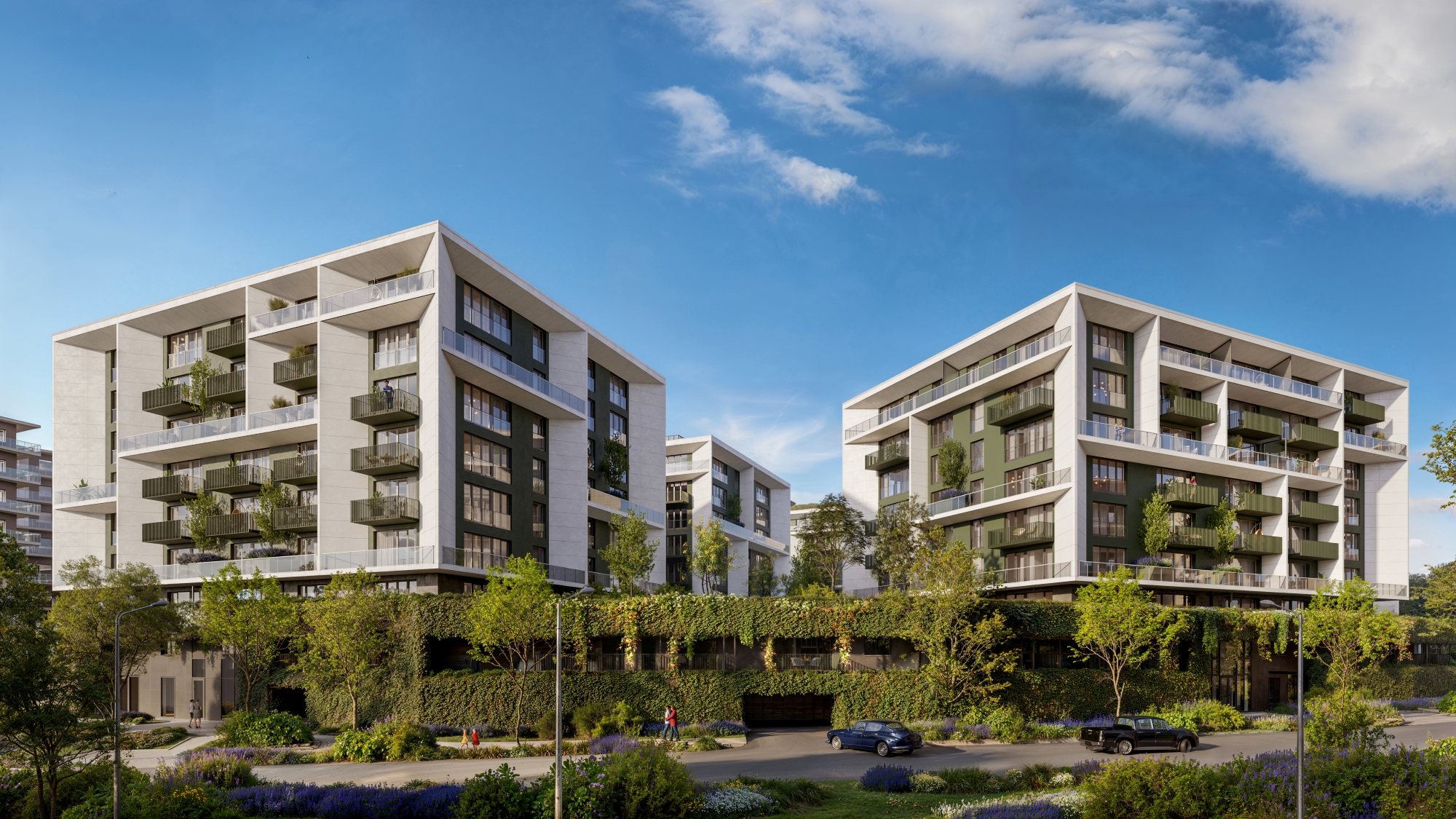
A render is a beautiful thing, but it is often idealized and cannot vividly represent the property itself or its real-life atmosphere. A personal walkthrough is essential before buying, so it is worth asking if there is a model apartment that provides a reference for the contractor’s previous work, or if it is possible to look around the actual site to experience the characteristics of the area and the general vibe of the buildings. This alone can significantly influence the decision.
Summary
The search for a newly built apartment begins not with the viewing, but with the right questions. Clarifying the price content, technical standards, payment terms, and handover realities during the first call or email significantly reduces risks and increases decision-making efficiency. The goal is to create a narrowed, relevant selection that allows for faster and safer decision-making. With a well-constructed shortlist, the process becomes more transparent and secure.
FAQ — Frequently Asked Questions
Is it worth buying an apartment still under construction?
Yes, because the price is usually more favorable and the selection is larger, but the developer's reliability and contractual guarantees are crucial.
How negotiable are the prices of newly built apartments?
It depends on the project and market situation. Often, more favorable payment terms can be negotiated rather than a direct price reduction.
What is the biggest hidden cost?
Most commonly, it is the surcharge for upgraded technical content and the furnishing required before moving in.
When should I arrange a loan?
As early as possible, but bank disbursement is usually aligned with the progress of the construction.
What should I do if the handover is delayed?
Check your rights as stated in the contract and prepare with a backup housing solution.